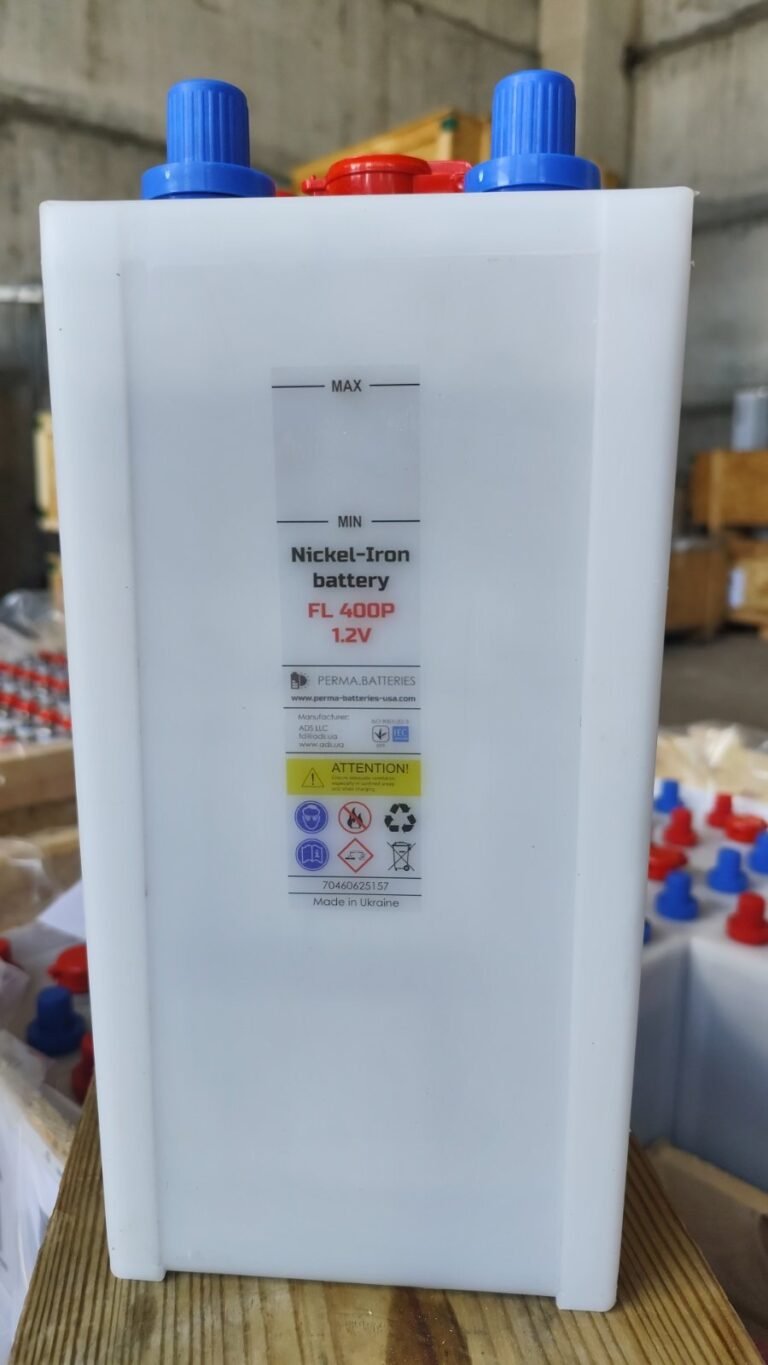
In an era where environmental consciousness is paramount, the components of our renewable energy systems must be scrutinized. We often install solar panels to reduce our carbon footprint, yet we frequently pair them with batteries that are hazardous to the earth. Standard lead-acid and lithium batteries contain toxic heavy metals and difficult-to-recycle chemicals that pose significant disposal challenges at the end of their life cycle.
True sustainability requires a holistic approach that considers the entire lifespan of the equipment we use to generate power. This is why the Nickel-Iron Battery is gaining traction among eco-conscious homeowners and environmentalists alike. It represents a chemistry that aligns perfectly with the philosophy of renewable energy, offering a storage solution that is as clean and robust as the solar panels harvesting the sun.
The Green Chemistry of the Edison Battery
The internal composition of these batteries is remarkably simple and devoid of the highly toxic materials found in competing technologies. They utilize nickel, iron, and an alkaline electrolyte solution, materials that are abundant and pose significantly lower environmental risks. This stands in stark contrast to lead-acid batteries, which rely on lead, a neurotoxin that requires extreme care during manufacturing and recycling processes.
Recycling the Nickel-Iron Battery
One of the most compelling environmental arguments for this technology is its incredible recyclability at the end of its very long life. The iron and nickel plates can be easily reclaimed and repurposed for steel production, while the electrolyte can be neutralized and safely disposed of. This circular lifecycle ensures that your Edison Battery system does not become a burden on future generations or landfill sites.
Reducing Waste with the Edison Battery
The concept of “reduce, reuse, recycle” starts with reduction, and the longevity of these units massively reduces industrial waste. Because a single bank can last upwards of thirty years, you are effectively preventing the manufacture and disposal of four or five sets of lead-acid batteries. This drastic reduction in consumption is the single most effective way to lower the embodied energy and carbon footprint of your off-grid power system.
The Non-Toxic Nature of the Nickel-Iron Battery
Safety extends beyond fire risks; it also encompasses the chemical safety of the materials stored within your home or garage. Lead-acid batteries emit explosive hydrogen gas and corrosive acid fumes that can degrade surrounding equipment and harm air quality. In contrast, the alkaline chemistry used here is much more benign, creating a safer local environment for your family while protecting the broader ecosystem from contamination.
Soil Safety and the Nickel-Iron Battery
In the unfortunate event of a casing breach or spill in a remote setting, the environmental impact is considerably less severe. The potassium hydroxide electrolyte, while caustic, does not carry the same long-term heavy metal contamination risks as sulfuric acid mixed with lead paste. This makes the technology particularly suitable for sensitive ecological zones, nature reserves, and agricultural homesteads where soil health is absolutely critical.
The Edison Battery and Carbon Footprint
When you calculate the carbon emissions associated with manufacturing, shipping, and replacing batteries over a thirty-year period, the winner is clear. The frequent replacement cycle of short-lived chemical batteries multiplies the transportation emissions and manufacturing energy required to keep your lights on. By choosing a single, long-lasting solution, you lock in a lower carbon profile for decades, validating the true purpose of solar energy.
Sustainability Features of the Nickel-Iron Battery
These points highlight why this specific chemistry is the superior choice for the environmentally minded.
- Recyclability: Almost 100% of the metal components can be recycled into new steel.
- Longevity: Lasting 30+ years means significantly less manufacturing waste over time.
- Toxicity: No lead, cadmium, or cobalt is used in the construction of the cells.
- Electrolyte: The alkaline fluid is easier to neutralize than sulfuric acid.
- Repairability: Cells can be fixed rather than discarded, promoting a repair culture.
- Durability: Physical ruggedness prevents premature failure and disposal.
- Efficiency: Long lifespan offsets the initial manufacturing energy input.
- Resource: Iron and Nickel are abundant resources, unlike rare earth lithium.
- Legacy: A system that can be passed down reduces the burden on future users.
Conclusion on the Eco-Friendly Edison Battery
Choosing to power your life with renewable energy is a noble commitment, but the battery bank is often the weak link in that promise. By opting for disposable, toxic battery technologies, we inadvertently contribute to the very pollution we aim to eliminate. It is essential to look at the full picture and select equipment that honors the earth from the moment of installation until the very end of its service life.
The Nickel-Iron Battery offers a path to true energy independence that does not compromise ecological integrity. It provides a robust, safe, and deeply sustainable way to store the sun’s energy for decades to come. For those who truly care about the footprint they leave behind, this enduring technology is the only logical and ethical choice for off-grid energy storage.