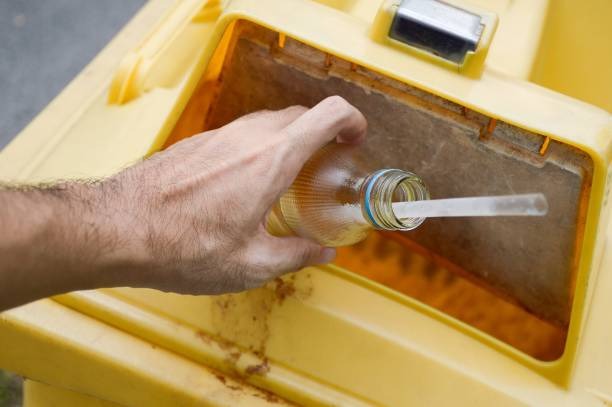
Every home kitchen produces used cooking oil, but not everyone knows the right way to dispose of it. Throwing it into the sink or trash may seem convenient, yet those methods often create plumbing issues and environmental damage. Learning how to recycle cooking oil allows households to reduce waste while supporting sustainable recycling efforts. With convenient waste cooking oil collection services now widely available, responsible disposal has become easier than ever. Making recycling part of your routine benefits your home, your community, and the environment.
Why Learning How to Recycle Cooking Oil Makes a Difference
Used cooking oil should never be viewed as ordinary waste. Once collected properly, it becomes a valuable raw material used to manufacture biodiesel and other environmentally friendly products. This simple practice reduces landfill waste while supporting renewable energy production.
Choosing waste cooking oil collection instead of improper disposal also protects sewer systems from grease buildup. Understanding how to recycle cooking oil creates lasting environmental benefits with very little effort from households or businesses.
How to Recycle Cooking Oil Using Safe Storage Methods
The first step is allowing the cooking oil to cool completely. Never attempt to move or store hot oil because it increases the risk of burns and spills. After cooling, strain away food particles before pouring the oil into a strong container with a secure lid.
Proper storage keeps the oil suitable for waste cooking oil collection and prevents unpleasant odors. A dedicated storage container also encourages consistent recycling every time you cook.
Quick Steps to Improve Your Recycling Routine
A few practical habits make oil recycling much more effective:
- Cool cooking oil completely before storing it.
- Keep the storage container tightly sealed at all times.
- Prevent contamination by removing food residue.
- Schedule waste cooking oil collection regularly.
These simple actions help ensure how to recycle cooking oil becomes an easy part of everyday kitchen management.
Common Errors People Should Avoid
One of the biggest mistakes is assuming small amounts of oil do not matter. Even small quantities poured into drains gradually accumulate and contribute to blockages. Another frequent mistake is using damaged containers that may leak during storage.
Mixing cooking oil with household chemicals also reduces its recycling potential. Following proper how to recycle cooking oil practices helps avoid these issues while improving overall recycling efficiency.

The Value of Waste Cooking Oil Collection Services
Professional waste cooking oil collection services offer a reliable solution for managing used oil. They safely collect stored oil and transport it to recycling facilities where it can be processed into useful renewable products.
Regular collection services reduce storage concerns while encouraging households and businesses to recycle consistently. This convenient approach makes how to recycle cooking oil much easier for busy kitchens.
Supporting a Greener Environment Through Recycling
Every litre of recycled cooking oil contributes to cleaner communities and healthier ecosystems. Recycling prevents grease from entering waterways while reducing demand for newly produced industrial oils. Waste cooking oil collection programs also encourage greater public participation in sustainable waste management.
As awareness continues to grow, more communities are adopting responsible recycling systems that benefit both people and the environment. Learning how to recycle cooking oil today creates positive environmental change for tomorrow.
Making Recycling a Lasting Habit
Consistency is the key to successful recycling. Store used cooking oil after every cooking session instead of waiting until it becomes inconvenient. Keep your recycling container in an accessible location and arrange regular waste cooking oil collection whenever needed.
These simple habits require minimal effort but produce long-term environmental rewards. The more often you practice how to recycle cooking oil, the more natural and effective the process becomes.
Conclusion
Knowing how to recycle cooking oil is an important step toward responsible household waste management. Proper storage, careful handling, and dependable waste cooking oil collection services help reduce pollution while supporting renewable resource production. By adopting simple recycling habits, every household can play a meaningful role in protecting the environment and creating a cleaner, more sustainable future.