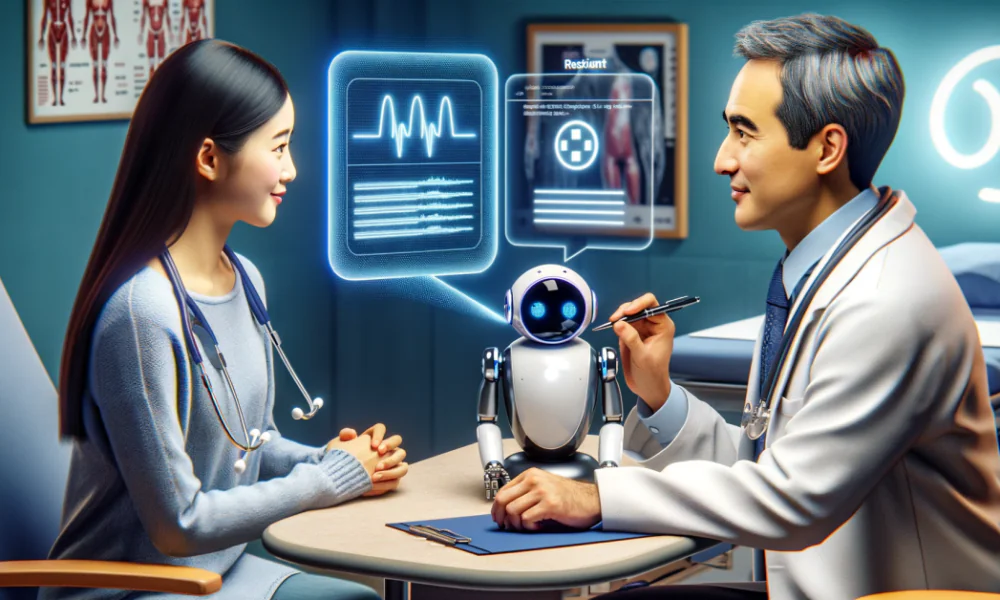
In today’s fast-paced healthcare environment, clinicians are constantly balancing patient care with overwhelming administrative tasks. Documentation, while essential, often consumes valuable time that could otherwise be spent with patients. This is where modern technology steps in to transform the workflow. One of the most impactful innovations is the rise of AI medical scribe solutions—tools designed to streamline clinical documentation while preserving accuracy and efficiency.
How AI medical scribe Technology is Reshaping Clinical Workflows
Healthcare professionals have long struggled with the burden of electronic health records (EHRs). Typing notes, updating charts, and ensuring compliance can lead to burnout and reduced job satisfaction. The of intelligent documentation tools is changing that narrative.
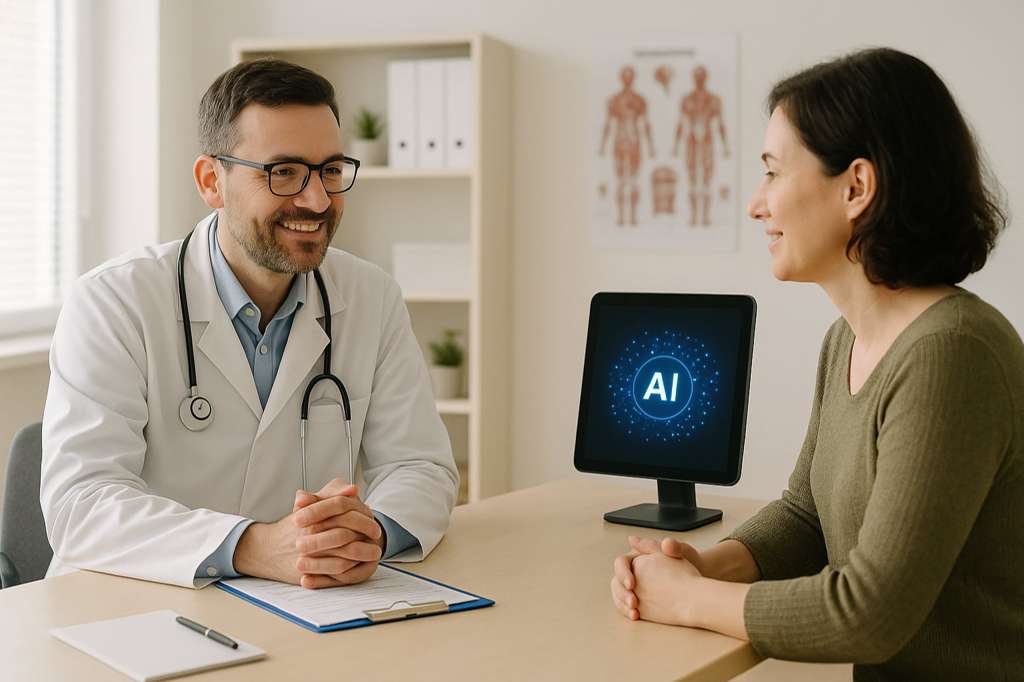
An AI medical scribe listen to patient-provider interactions and automatically converts them into structured medical notes. This process happens in real time or shortly after the consultation, allowing physicians to focus entirely on patient care instead of screens and keyboards.
Unlike traditional scribes, these AI-driven systems operate continuously without fatigue. They are trained to understand medical terminology, context, and even subtle nuances in conversations. As a result, documentation becomes faster, more consistent, and less prone to human error.
- One major advantage is the significant reduction in after-hours of paperwork, often referred to as “pajama time,” which helps clinicians maintain a healthier work-life balance.
Why Healthcare Providers Are Adopting AI medical scribe Solutions
The growing adoption of these tools is not just about convenience—it’s about improving the overall quality of care. When doctors are less distracted by documentation, they can engage more meaningfully with patients, leading to better communication and trust.
Additionally, these systems enhance accuracy by capturing detailed information that might otherwise be overlooked during manual notetaking. This leads to more comprehensive patient records, which are crucial for diagnosis, treatment planning, and continuity of care.
From a financial perspective, healthcare organizations also benefit from healthcare. Improved documentation accuracy can support better coding and billing practices, reducing claim denials and increasing revenue efficiency. Furthermore, minimizing administrative workload can reduce the need for additional staffing, making operations more cost-effective.
Another compelling factor is scalability. Whether in small clinics or large hospital systems, AI-powered scribes can adapt to different specialties and workflows. This flexibility ensures that providers across various disciplines can experience the benefits without major disruptions to their existing processes.
Addressing Concerns and Building Trust
Despite the advantages, some healthcare professionals initially hesitate to adopt AI-driven tools. Concerns about data privacy, accuracy, and integration with existing systems are common. However, modern solutions are designed with robust security protocols to ensure patient confidentiality and compliance with regulations.
Continuous advancements in machine learning also mean that these tools improve over time. The more they are used, the better they become at understanding specific accents, specialties, and documentation preferences. This adaptability builds trust among users and encourages wider adoption.
It’s also important to note that these tools are not meant to replace healthcare professionals but to support them. By handling repetitive administrative tasks, they empower clinicians to do what they do best—care for patients.
Conclusion
The healthcare industry is undergoing a subtle yet powerful transformation, driven by intelligent technologies that prioritize efficiency and patient care. The emergence of AI-powered documentation tools marks a significant step forward in reducing administrative burdens and enhancing clinical workflows.
As more providers embrace these innovations, the benefits become increasingly clear: improved accuracy, better patient interactions, and a more sustainable work environment for healthcare professionals. The AI medical scribe is not just a technological upgrade—it’s a meaningful shift toward a more human-centered approach to healthcare, where time and attention are given back to what truly matters.