
In a world filled with flashing lights, digital screens, and battery powered gadgets, many parents are rediscovering the simple charm of traditional playthings. Among these, Wooden toys stand out as a timeless option that blends nostalgia with meaningful play. These toys are not just relics of the past they are thoughtfully designed tools that encourage creativity, imagination, and sustainable living. As families become more mindful about what they bring into their homes, wooden toys are steadily reclaiming their place in children’s playrooms.
The Beauty and Benefits of Wooden toys
There is something undeniably special about the texture, weight, and natural finish of wooden toys. Unlike plastic alternatives, they offer a sensory rich experience that feels warm and authentic in a child’s hands. The simplicity of these toys allows children to use their imagination more freely, rather than being guided by preprogrammed sounds or actions.
Parents appreciate that wooden toys are often made from natural, nontoxic materials, making them a safer choice for young children. They are also incredibly durable, often lasting for generations without losing their charm. This longevity makes them not only a practical investment but also a sentimental one.
Moreover, Wooden toys tend to support open ended play. Instead of dictating how a child should interact, they encourage exploration and creativity. A simple wooden block can become a tower, a car, or even part of an imaginative story limited only by the child’s creativity.
How Wooden toys Support Child Development
The Developmental Value of Wooden toys
When it comes to early childhood development, Wooden toys offer a wide range of benefits that go beyond entertainment. These toys are often designed with purpose, helping children develop essential cognitive and motor skills while they play.
For example, stacking blocks can improve hand eye coordination and spatial awareness. Puzzles made from wood help with problem-solving skills and patience. Even simple pull toys can encourage physical movement and balance in toddlers.
Here are some key developmental benefits:
- They promote fine motor skills, creativity, and independent thinking through hands-on, imaginative play.
Additionally, wooden toys tend to have a calming effect. Without overstimulation from lights and sounds, children can focus better and engage in deeper, more meaningful play sessions. This kind of engagement is crucial for building attention spans and emotional regulation.
Sustainability and Ecofriendly Appeal
Another major reason for the growing popularity of wooden toys is their environmental impact. As awareness about sustainability increases, many families are actively choosing ecofriendly alternatives to plastic products. Wooden toys are often made from responsibly sourced materials and are biodegradable, making them a greener option.
Unlike plastic toys that may break easily and end up in landfills, wooden toys are built to last. Their durability reduces waste and supports a more sustainable lifestyle. Many brands also use nontoxic paints and finishes, ensuring that the toys are safe for both children and the planet.
Choosing wooden toys is not just a parenting decision it’s a statement about values. It reflects a commitment to quality, sustainability, and mindful consumption.
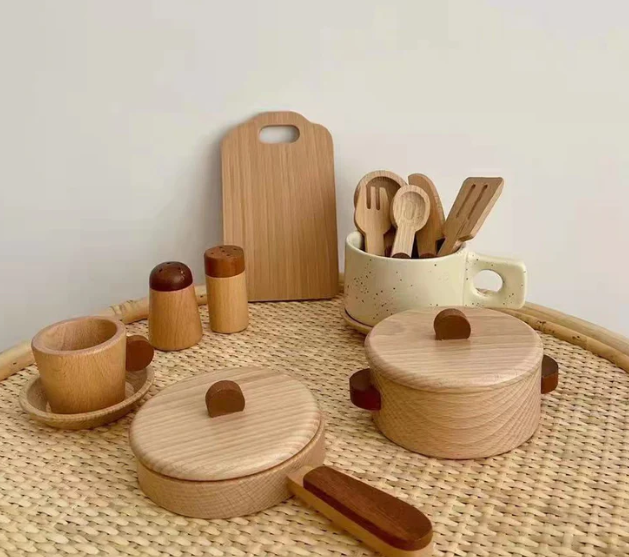
A Return to Meaningful Play
In today’s fastpacked, technology driven world, wooden toys offer a refreshing return to simplicity. They remind us that playing doesn’t need to be complicated to be meaningful. In fact, the most impactful toys are often the simplest ones.
Children don’t need constant stimulation to be engaged. What they truly need is the freedom to explore, create, and imagine. Wooden toys provide that freedom in a way that few modern gadgets can.
Conclusion
The resurgence of wooden toys is more than just a trend it’s a shift toward more thoughtful, intentional parenting. These toys combine beauty, durability, and developmental value in a way that stands for the test of time. By choosing wooden toys, parents are not only giving their children a tool for play but also a foundation for creativity, learning, and sustainability.